
Welcome to Admiral Veterinary Hospital
Our team is provides your pets the compassionate
care they deserve.
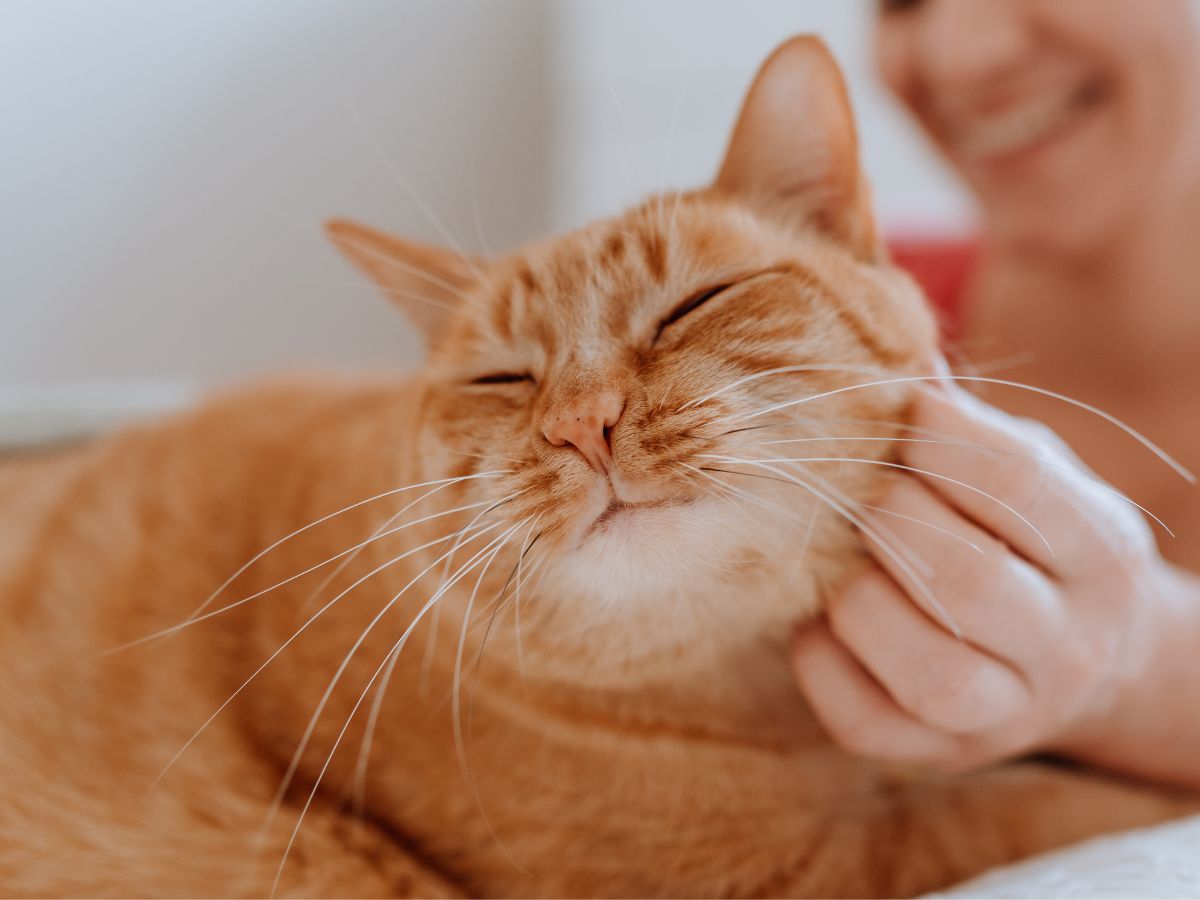
About Admiral Veterinary Hospital
Welcome to Admiral Veterinary Hospital, where compassionate care meets modern medicine. Our dedicated team of skilled veterinarians are committed to providing the highest quality healthcare for your beloved pets. With facilities and a comprehensive range of services, we strive to ensure the well-being and happiness of your furry companions. Your pets are family, and at Admiral Veterinary Hospital, we treat them as such.
Complete Veterinary Care in Farragut, TN
We provide comprehensive care for your beloved pets at Admiral Veterinary Hospital. We’re your trusted source for advanced veterinary services.
Pet Microchipping
Pet Wellness Exams
Pet Surgery
Pet Dental Care
Meet Our Veterinarians
Introducing Admiral Veterinary Hospital’s devoted team! Our dedicated team and knowledgeable veterinarians are committed to giving your animal friends the best treatment possible. We provide a variety of veterinary services with a blend of knowledge and sincere compassion for animals to ensure the health and happiness of your pets. Our top goal is the welfare of your pet, and we look forward to providing you and your cherished pets with the highest level of care and professionalism.
Thank You for Your Kind Words!
Your kind words mean the world to us, and we’re so thankful that you’ve taken
the time to provide our hospital with feedback.